A fight for the soul of Sausalito — and Sausalito won.
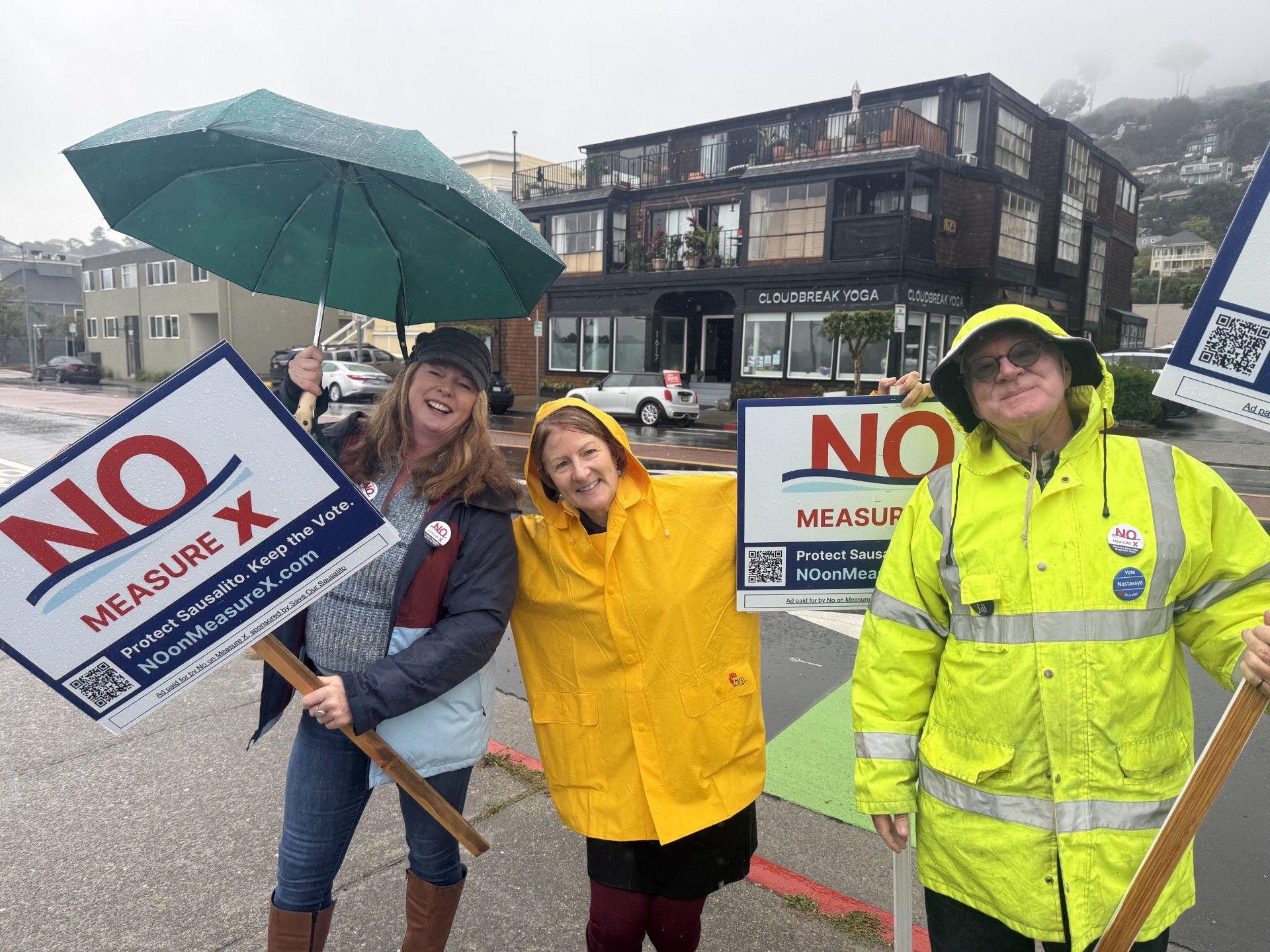
On November 3, 2026, Sausalito voters said no to Measure X.
Measure X was a ballot initiative to rewrite Sausalito's land use rules. It would have ended voters' final say over zoning in most of the city and allowed far larger buildings along the waterfront. Defeating it was the biggest campaign Save Our Sausalito has ever run.
Updates
Latest from the campaign
Appealing promises hid a major threat
In the spring of 2026 a group of pro-development residents, with backing from large commercial landowners and businesses, put an initiative on the November ballot to make radical changes to Sausalito's land use rules. As a citizens' initiative it was exempt from environmental review, and it would have become law as soon as it passed.
It was promoted as a way to help the waterfront "thrive," to support the Marinship's artists, makers and maritime businesses, and to bring new cafes and shops. These promises were appealing but the actual text of the measure showed a far different picture.
What the 266 pages actually said
Over the summer we spent months studying it. Our attorneys reviewed all 266 pages in detail. We consulted conservation and land-use experts and met directly with the measure's authors and proponents. Whenever we evaluate a proposed law, we begin with what its text actually says, not what its proponents promise it may accomplish.
What we found left us deeply alarmed. We believed Measure X presented the most profound threat our community had faced in more than a generation.
Rather than limiting itself to the Marinship, Measure X’s reach was in fact citywide. It would have ended voters' final say over zoning in every commercial, industrial and waterfront area outside the Downtown Historic District, a right our neighbors won in 1985 when they passed Ordinance 1022. It would have immediately up-zoned every waterfront and industrial lot, allowing up to ten times the floor area, raised the height limit from 32 to 47 feet, and repealed the Marinship Specific Plan.
Its text would have become law. Its promises would not.
We picked up the mantle
We joined with others and determined to wage an all-out campaign to defeat Measure X. We felt we owed it to the neighbors who came before us, and to everyone who comes after, to pick up the mantle. So we did, together with allies across the city and hundreds of resident volunteers.
The case
What Measure X would have done
It took away your vote.
For 40 years Sausalito voters have had the final say on major zoning changes. Measure X would have ended that everywhere outside the Downtown Historic District and handed those decisions to three Council members.
It repealed the Marinship's protections.
It struck all 128 pages of the Marinship Specific Plan, with its protections for views, shoreline access, artists, makers, and maritime businesses.
It allowed far larger buildings on every waterfront lot, with no environmental review.
900% more floor area in Waterfront zones and 650% more in Industrial zones, with buildings up to 47 feet, effective at once. The largest new buildings would have stood on the shoreline most exposed to sea-level rise, and as a citizens' initiative none of it was studied for its effects on traffic, the bay, or the land itself.
It would have pushed Bridgeway traffic past its limits.
Nearly 1,000 homes are already planned or newly zoned along and near Bridgeway. The City's independent review warned that the housing traffic alone could push intersections into "intolerable delay," before traffic from millions of square feet of new commercial space was added.
It could have priced out the artists and makers it promised to help.
Offices, retail, restaurants and other higher-paying uses could have competed for space now occupied by artists, makers, and maritime businesses. Independent reviewers warned they could be outbid.
Developers would have profited, and Sausalito would have had the bill.
Owners would have received the building rights at once. Measure X repealed the rule requiring developers to pay their share of infrastructure costs, and City staff found that indirect revenue alone was unlikely to meet the need.
First and foremost, Measure X took away your vote
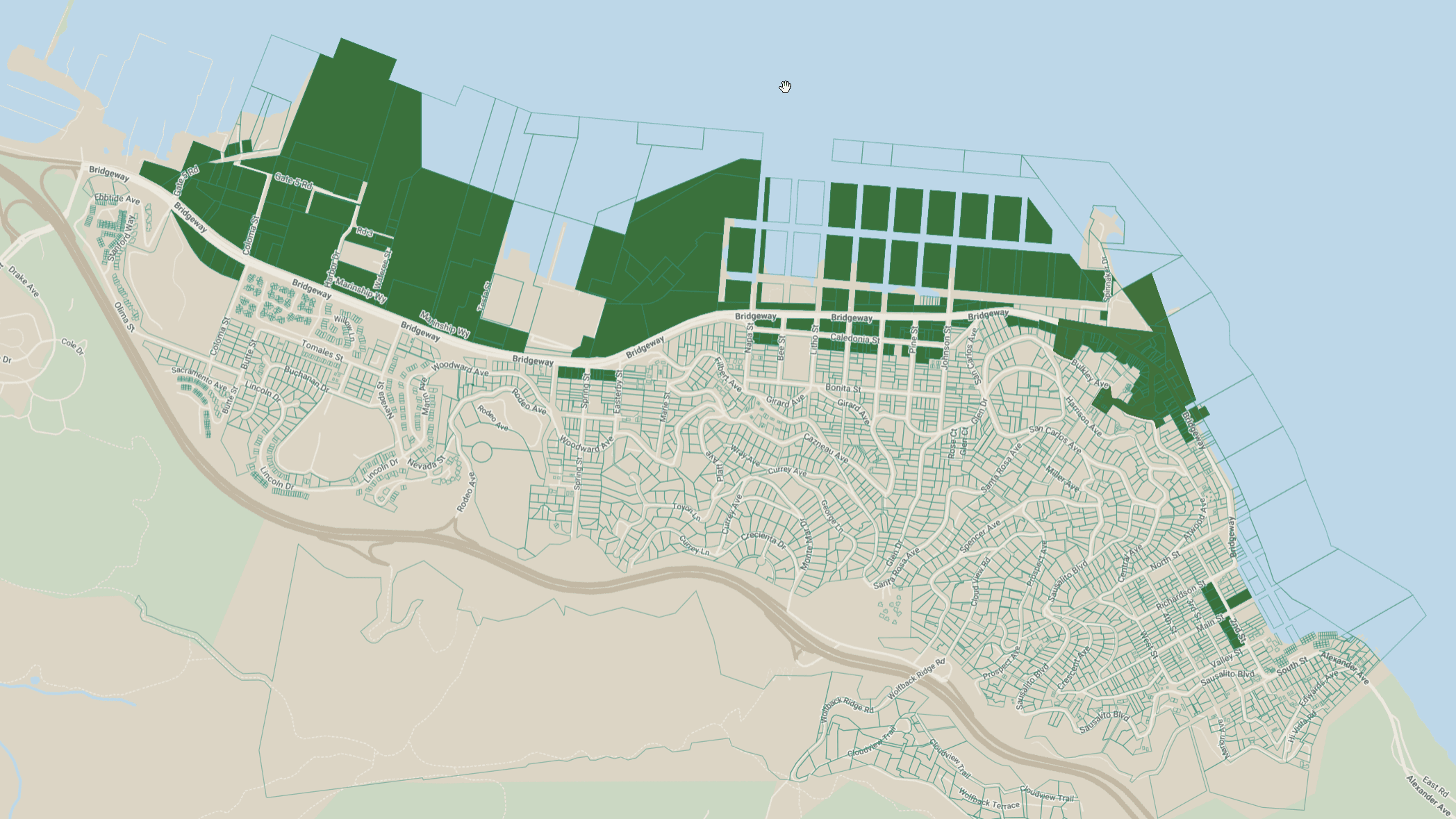
For 40 years, Sausalito voters have had the final say over major zoning changes in most of our commercial, industrial, and waterfront areas. That safeguard has helped preserve Sausalito's human scale. It requires significant zoning proposals to be presented publicly and earn the approval of the community, not simply three votes at City Hall. Measure X would have taken that right away everywhere except the Downtown Historic District. Council members change. Developers build, sell, and move on. Once a large building is approved and constructed, it cannot simply be undone. Sausalito is left with the traffic, public costs, and permanent consequences.
Immediate and massive upzoning
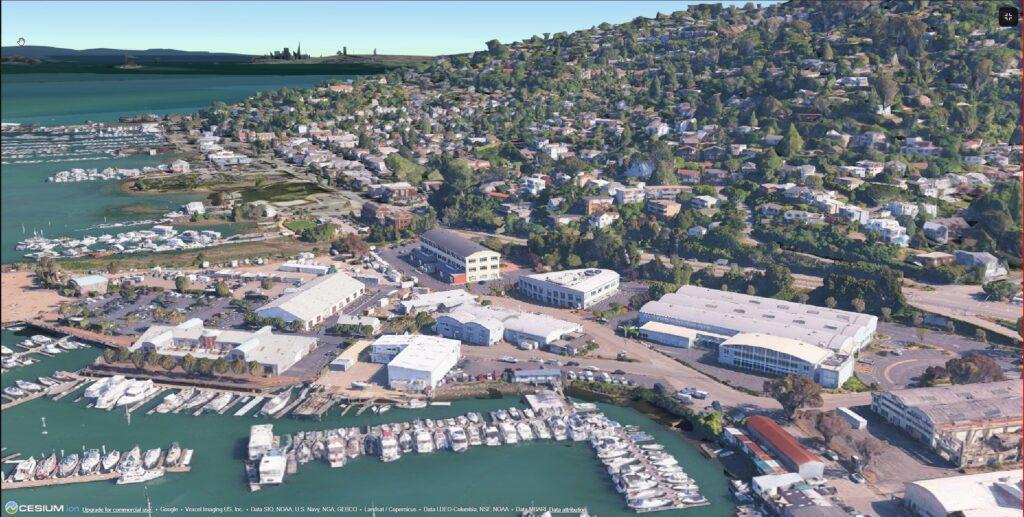
Measure X would have immediately increased how much could be built on every waterfront-zoned lot by 900%, from the Spinnaker north to Highway 101. It would have increased permitted building capacity by 650% on Industrial-zoned land in the Marinship along Bridgeway and east toward the bay. Had it passed, those development rights would have become law at once. For a sense of scale, the proposed 1 Harbor Drive project is approximately 477,000 square feet. Measure X would have created more than 20 times as much additional commercial capacity.
The campaign: neighbor to neighbor
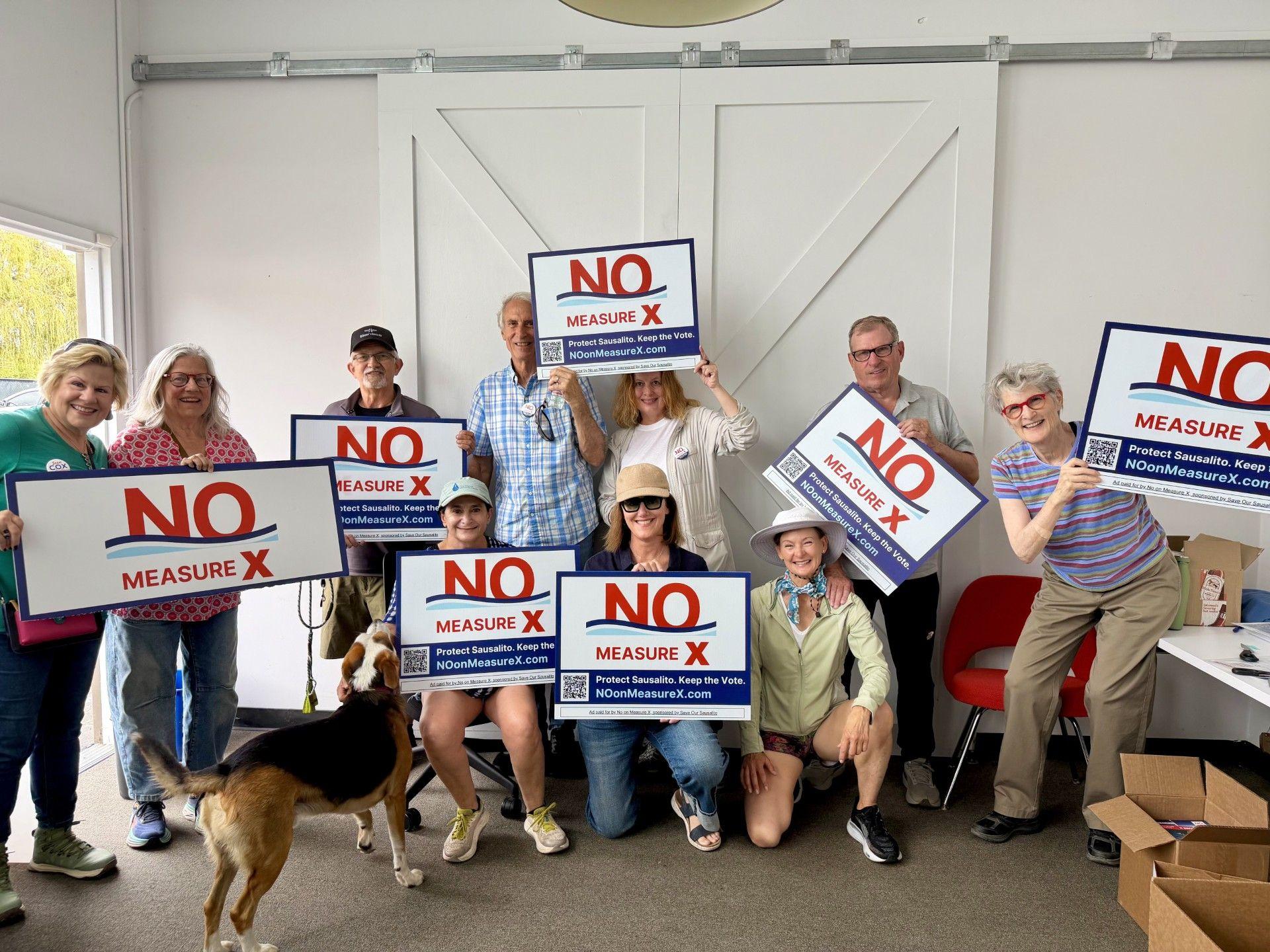
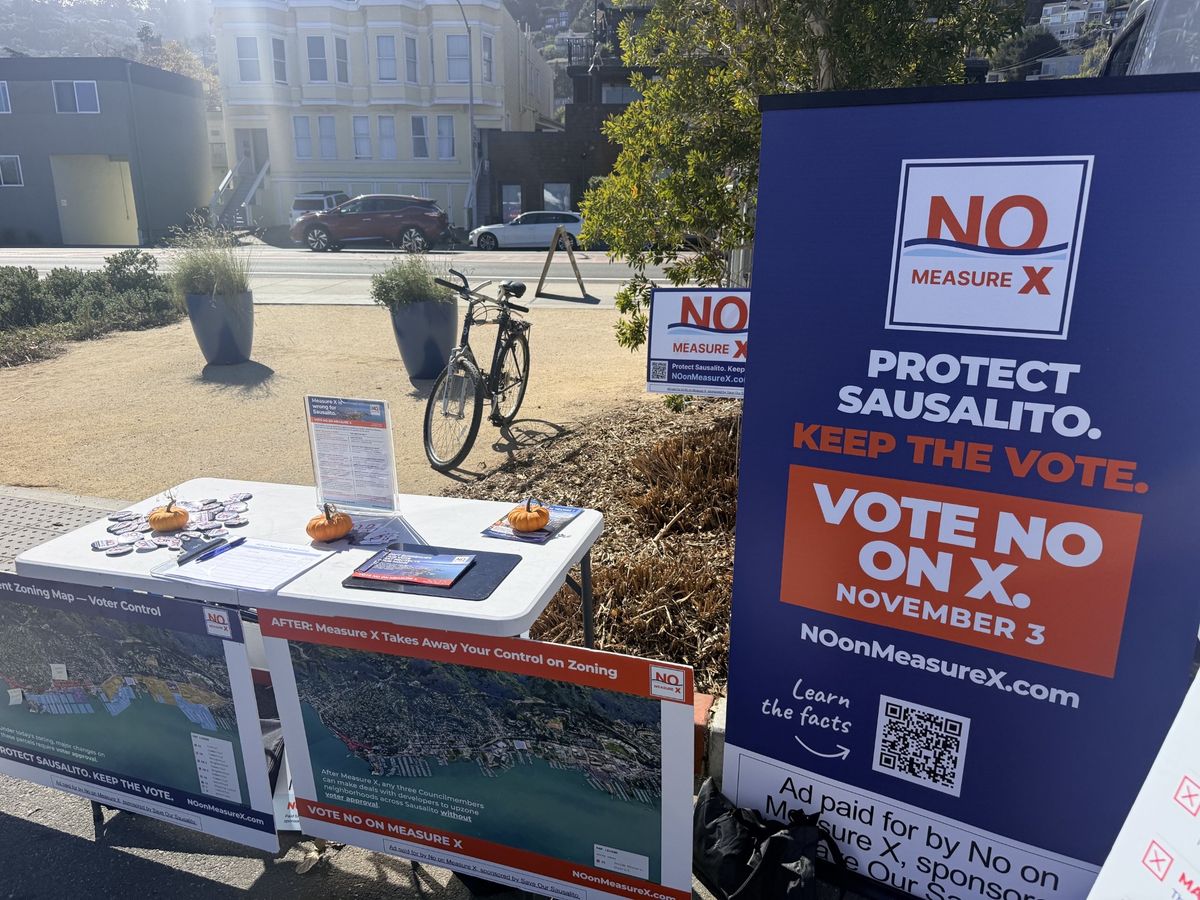
At our first meeting in August we said this would be a hard campaign and that we were starting behind. We also said how we would win it: people-powered, with conversations that build votes. Volunteers hosted coffees in living rooms across Sausalito. Walk teams left the SOS Studio every Sunday. We were at the Farmers Market every Sunday and at the Ferry Terminal at six in the morning. By election day we had knocked on more than 2,000 doors and neighbors posted more than 700 signs.
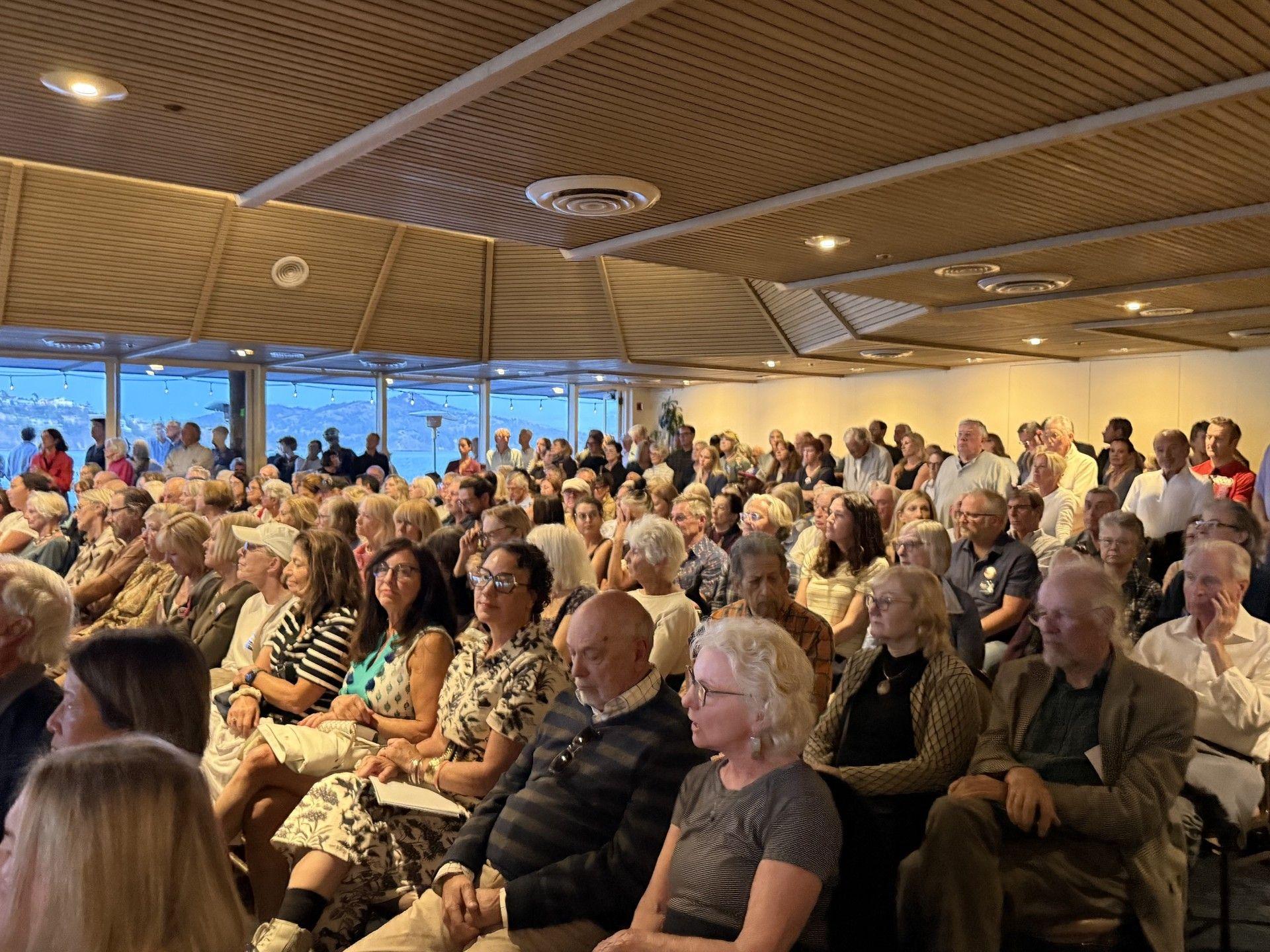
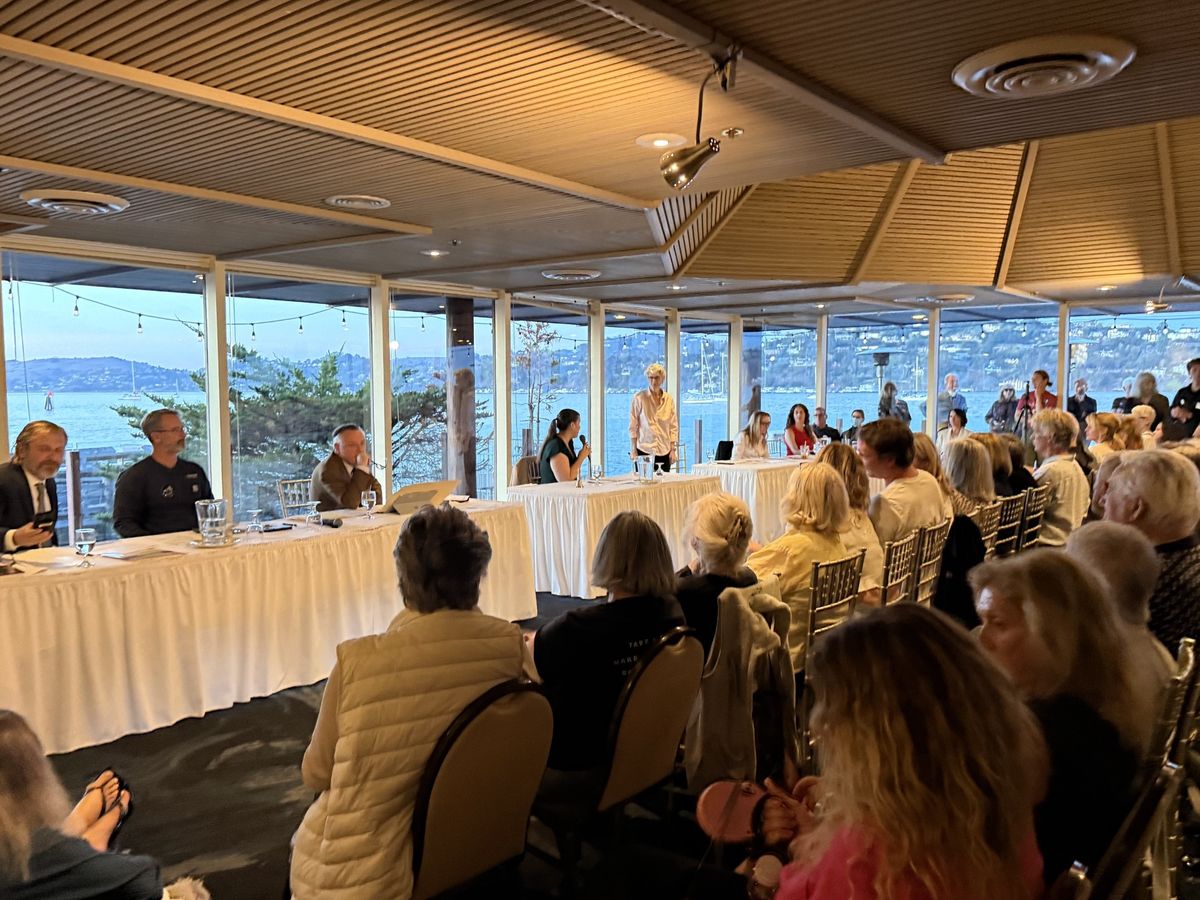
Announcing The Better Way at the Spinnaker Debate
On September 23 the two sides met in debate at The Spinnaker, which generously hosted. The room was full. Jill Hoffman, Nastassya Saad and SOS's Sophia Collier made the case against Measure X. That night SOS announced "The Better Way," a plan to make immediate fixes to rules that are holding businesses back, study traffic and flooding first, bring everyone to the table, and put a Marinship-only plan before the voters in November 2028.
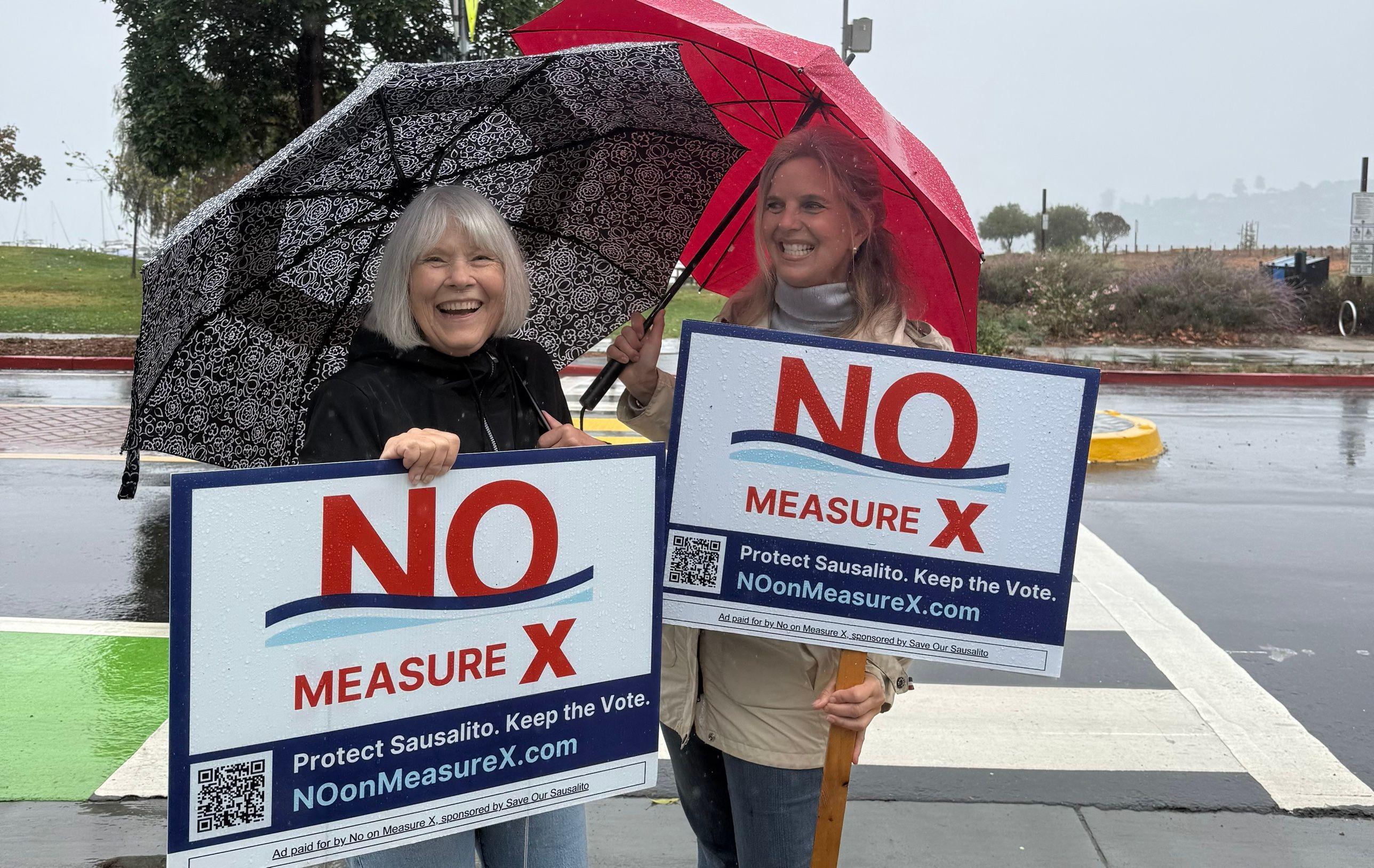
At the polls in the rain
On November 3 we stood at the polls in the rain. That night, in early returns, more than 60 percent of Sausalito voters had said no. It was a long campaign, at times joyous and at times tough, with some sleepless nights. We stayed with it to the end, with facts and with grace.
“The Marin working waterfront needs change to reach its potential, but we believe Measure X is the wrong initiative to achieve it. A no vote now is not a vote against change; it's a vote to protect the working waterfront we already have while making room for something better.”
It took a team
We didn't do this alone. Save Our Sausalito worked alongside the Sausalito Working Waterfront Coalition, Hey City Council, and three City Council candidates who stood against Measure X, Joan Cox, Jill Hoffman and Nastassya Saad, and a remarkable group of residents, activists and former elected officials.
Together we ran an all-out, high-energy campaign. We sent out six mailings, wrote numerous letters to the editor, made hundreds of calls and sent text messages. Supporters got creative, too. A local business built a "story pole" to show how tall the new buildings could be. Another sailed a "No on X" boat. Others paraded trucks and flatbeds covered in signs.
How we got here — the full timeline▸
The record
Timeline
June 1985
Sausalito voters pass Ordinance 1022
Voters get the final say over zoning in the commercial, industrial and waterfront districts.
December 2025
The Council pauses its Marinship plan
The City Council votes unanimously not to release its draft request for a Marinship plan, and asks for a roadmap instead.
May 2026
The signatures are verified
The Registrar of Voters verifies the petition for the "Arts, Industrial & Maritime Preservation and Improvement Initiative."
July 2026
The measure goes on the ballot
The City Council submits the corrected text to the voters for November 3.
July 2026
The independent reports
July 16–21: the City's legal, economic and staff reviews find drafting errors and unanswered questions.
August 2026
Our first meeting
Neighbors gather at the SOS Studio. "This will be a hard campaign. We are starting behind but have the facts on our side."
August 2026
Volunteers kick off
We want the Marinship to succeed, and Measure X is not the way.
September 2026
"The most important email I have ever sent"
SOS lays out what the 266 pages of Measure X would do.
September 2026
The first Sunday walk
Teams leave the SOS Studio to go door to door, and go again every Sunday until election day.
September 2026
The debate at The Spinnaker
A full house. SOS announces The Better Way: a Marinship-only plan for the voters in 2028.
October 2026
Ballots go out
Voting begins.
October 2026
The rally
More than 1,200 doors knocked and more than 500 signs up, with four weeks to go.
November 2026
Sausalito says no
At the polls in the rain. In early returns that night, more than 60 percent vote no.
Key documents (16)▸
The work starts now
Voting no was never the end of the conversation. Next comes the work to help the Marinship: affirming the right of makers to sell what they make, studying traffic and flooding before more is built, and bringing a better, Marinship-only plan to the voters in 2028.
The full case against Measure X, with every source, is archived at noonmeasurex.com.
Take action